

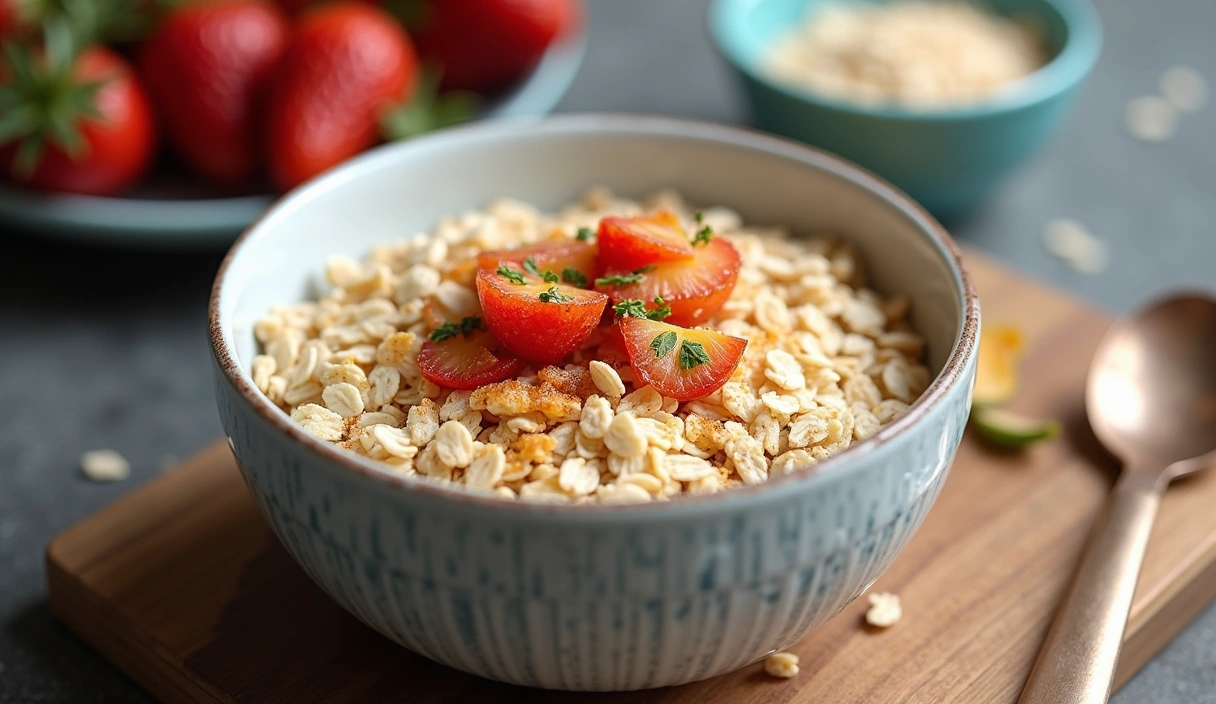
If you are looking for a simple way to support your heart health, a bowl of oatmeal could be a good choice. It is affordable, easy to make, and new research suggests it may be more beneficial than previously understood.
Oats have long been known to help lower cholesterol. While the fiber in oats plays a part, new findings show other compounds are also at work. Oats contain beneficial substances called phenolics, which are bound to the oat’s fiber. The body cannot absorb them without help from gut bacteria.
When you eat oats, gut bacteria break down the fiber and release these bound compounds. One key compound is ferulic acid, an antioxidant that seems to be involved in cholesterol metabolism. Once released, ferulic acid enters the bloodstream.
A randomized controlled trial published in Nature Communications supports this. The study found that both a short-term, high-dose oat diet and a six-week period of moderate oat intake significantly increased levels of ferulic acid in participants. The high-dose approach also raised levels of dihydroferulic acid, a related metabolite produced by gut bacteria.
This indicates that while the soluble fiber in oats helps by binding to cholesterol in the digestive tract, there is another process involving the microbiome that unlocks additional benefits.
Oats are also a good source of fiber that feeds beneficial gut bacteria. A healthy gut is linked to better digestion and can support overall heart health.
As a breakfast choice, oatmeal provides steady energy. The fiber and complex carbohydrates help keep blood sugar stable, which can prevent hunger soon after eating.
Oatmeal is versatile. It can be topped with berries, nut butter, seeds, or honey. Adding a scoop of protein powder can make it more filling.
To get the most benefit, choose whole oats like steel-cut or rolled oats, which have more fiber and nutrients than many instant varieties. Consistency is important, as benefits build over time with regular consumption. Adding protein can help create a balanced meal that keeps you satisfied.
Oatmeal is a simple food that supports heart health, aids digestion, and provides lasting energy. Including it regularly can be a useful part of a healthy diet.
The study referenced was published on April 18, 2026. The lead author of the research was Caroline Igo. The investigation looked at specific metabolic pathways and involved controlled dietary interventions to measure the effects of oat consumption on specific compounds in the body. This research adds to a body of work examining how whole foods interact with the human microbiome to influence health markers like cholesterol.
