

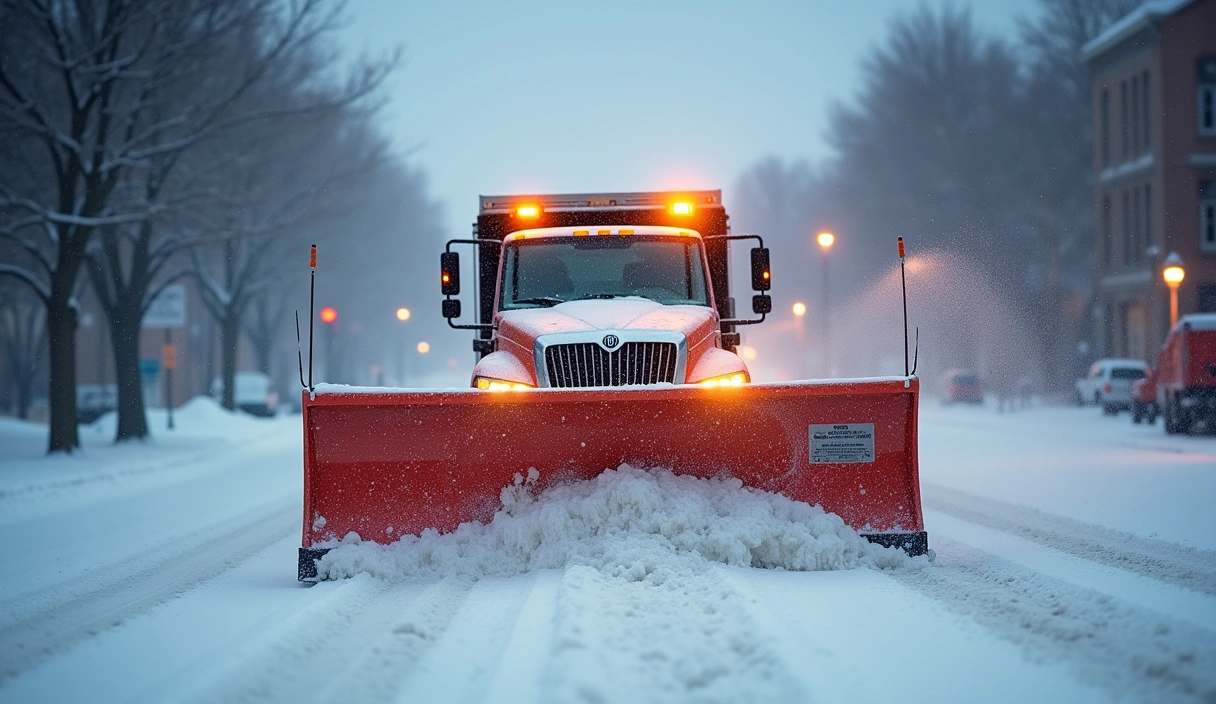
What Is Snowplow Parenting?
Snowplow parenting is a style in which parents remove obstacles from their children’s paths, much like a snowplow clearing a road. Licensed psychologist Nicole Beurkens, Ph.D., CNS, says it involves parents believing it is their job to make sure their children face no obstacles and experience no unhappiness or negative emotions. She adds that the behavior is about parents removing any negative experience, but the real issue is that parents have a hard time seeing their child go through uncomfortable or unpleasant feelings.
This tendency is deeply instinctual, according to Sarah Cohen, M.D., a child, adolescent, and family psychiatrist at Westmed Medical Group. She notes that it is natural for parents to want to help and fix things for their kids, especially in the first year when children need constant care. As children grow, adjusting that instinct takes effort. Watching a child struggle hurts, so parents often take over. Cohen also points out that when parents are harried and impatient, they are more likely to jump in, which is especially challenging for children on atypical developmental paths.
Snowplow parenting is not completely different from helicopter parenting, where parents constantly hover and monitor daily activities. Many experts say it is another version of the same approach. However, snowplow parenting is more often linked to affluent families who have the means, time, and connections to handle any problem their child faces.
Signs of Snowplow Parenting
It can be difficult to know if you are snowplow parenting, and it is not an all-or-nothing situation. Parents may show some characteristics without going to extremes. Beurkens says this behavior is common in schools. A parent might say, “I’m going to talk to the principal” or “I’ll find out why you got this grade.” Another sign is when parents volunteer at school so they can step in at any moment. This may look like helping the teacher, but the real reason is to be available to solve problems.
The behavior also shows up in peer relationships. Beurkens says parents over-involve themselves in their children’s friendships, even going to comfort each other about their kids’ behavior.
Effects on Children
Children need to face challenges to become responsible, well-adjusted adults. Snowplow parenting limits these growth opportunities and may slow their maturity and ability to handle difficulty. Beurkens lists several repercussions: children do not learn to solve their own problems, tolerate negative feelings, or develop resilience for life. They also do not see themselves as capable and competent.
These effects can appear in many ways, including performance anxiety, pressure to achieve, guilt, taking failures personally, being easily frustrated or angered, and reduced problem-solving skills.
How Parents Can Do Better
Experts say parents should let children fail. Allowing kids to see the consequences of not trying hard enough, skipping practice, arguing with a friend, or making mistakes helps them learn. Beurkens says one of the most important ways children become responsible adults is by learning they can overcome and manage challenges. When parents step in, the message sent is that the child is not competent, even if that is not the parent’s intention.
The solution requires parents to deal with their own discomfort. Beurkens says watching a child struggle does not feel good, but allowing children to handle things on their own does not make a parent bad, neglectful, or mean. Some parents do not realize this lesson, so it is important to teach them that they are helping their child by letting them deal with difficulties.
When Can Parents Step In?
This does not mean parents should never help. Beurkens advises parents to be there, listen, care, and offer advice, but then let children take control and be independent. She suggests saying to children, “I understand you are going through a really tough thing, and I know it must feel bad, but I know you will be able to handle it.”
Parents can step in more if their child has tried to resolve a problem, put in their best effort, and still cannot improve the situation. Bullying is a good example. Let the child deal with it first, but if needed, the parent may have to step in. This approach also teaches children when and how to ask for help. Cohen says parents should set the tone that while children are expected to try things themselves first, parents will always be nearby and available to help as needed.
The Takeaway
Parenting is difficult, and there is no perfect way to do it. However, certain behaviors that come with the times can affect a child’s development. Snowplow parenting is one such trend in which parents take the front seat in their child’s life and push hardship out of the way. Although born of good intentions, it may have unintended consequences. Experts repeatedly remind that children should fail and learn how to deal with their failures.
